
The document addresses non-sexist language, disability, ageism, and cultural diversity, with practical recommendations for respectful communication.
Alicante. Wednesday, March 11, 2026.
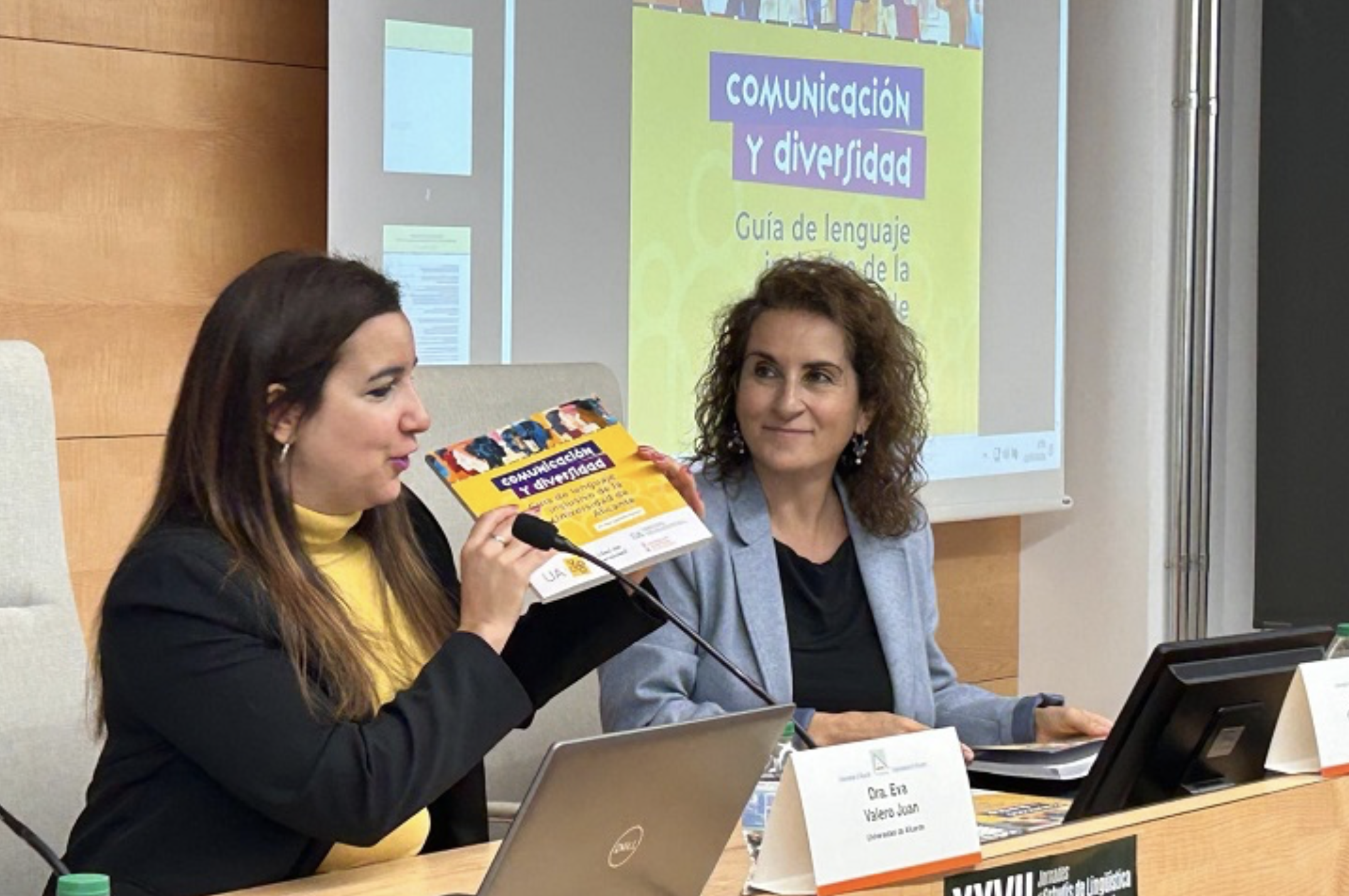
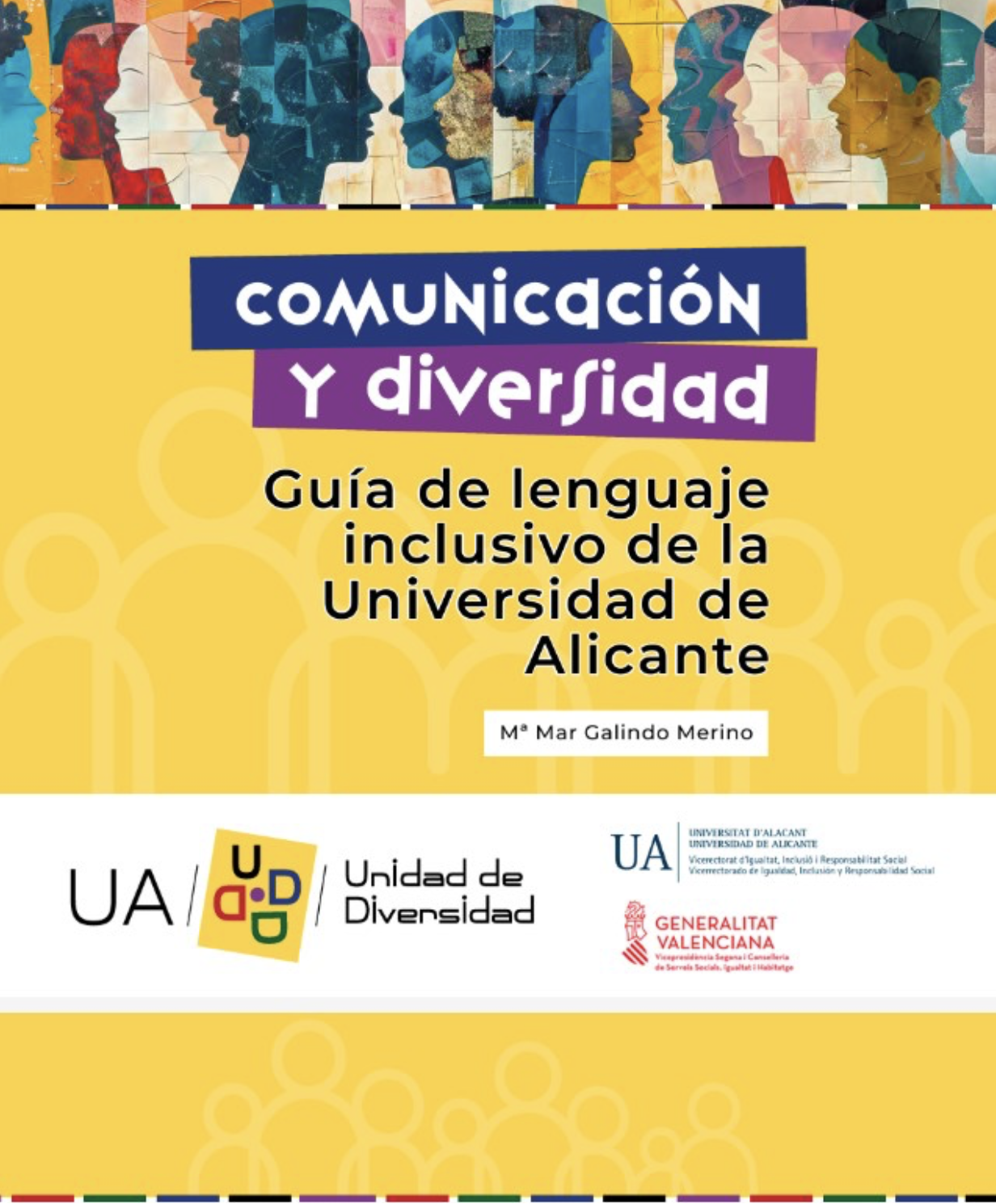
Is it correct to use the term Maghrebi? What language should I use to avoid infantilizing older people? How should I address someone who has an illness? What are microaggressions and how can I avoid them? These are some of the questions answered in Communication and Diversity: Inclusive Language Guide of the University of Alicante, which was presented today during the opening of the 27th Conference on Linguistic Studies at the University of Alicante (UA), held at the Faculty of Arts.
The document, promoted by the Vice-Rectorate for Equality, Inclusion and Social Responsibility at the University of Alicante, has been designed as a tool to foster more respectful communication within the university community, as highlighted by the Vice-Rector Carmen Vives Cases.
“The guide addresses communication and diversity from a broad perspective and not only proposes the most respectful terms to refer to different groups, but also includes recommendations for clearer and more inclusive interaction,” explained its author, Professor of General Linguistics María del Mar Galindo Merino and current Director of the UA Diversity Unit. Among the recommendations are guidelines on how to address people according to their disability, which questions should be avoided in certain contexts, and how to prevent sexist, racist, ableist, ageist or LGTBI-phobic biases in communication within the university environment.
Through practical examples, the document suggests more appropriate terms to refer to different groups. For instance, it discourages the use of expressions such as “deaf-mute” and recommends using “deaf person.” It also includes guidelines to avoid attitudes that may be discriminatory in everyday communication, such as infantilizing older people or people with disabilities.
In the introduction to the guide, María del Mar Galindo Merino highlights that “university life constitutes a physical, virtual and social space that we share with people of different backgrounds: people of different sex, age, origin, skin color, sexuality, abilities, beliefs, physical appearance or identity. Communicating with all of them in the most respectful way possible facilitates coexistence and reminds us that the right to human dignity begins with the way we name people and how we address them.”
Available in Valencian and Spanish, both in digital and printed format, the publication has been sent to all university departments for consultation. In addition, the Diversity Unit invites members of the university community to send suggestions to dir.diversidad@ua.es in order to incorporate improvements into a future second edition.
Article written by: Silvia G. Ponzoda